Product Engineering
Full-stack development for SaaS, dashboards, and internal tools.
- Node · Python · Rust · Go · .NET
- Streaming · Microservices · Event-driven
- Postgres · Redis · MongoDB
 Book a call
 Elveder is software development as a service. Reserve a pod, drop in your roadmap, and we build all month long for as long as you need. Senior team. Flat rate. No recruiting. No retainers. Cancel whenever the dust needs to settle.
Full-stack development for SaaS, dashboards, and internal tools.
From RAG pipelines to autonomous agents. Practical AI features for what matters.
Reliable infrastructure that scales quietly in the background while your team focuses on shipping.
Mobile apps that earn their spot on the home screen.
A pod is your seat at the table for the month. Flat price, paid up front, no SOWs, no setup fees, no surprises. Cancel on day one, cancel on day twenty-nine - every euro comes back. The only thing you're really subscribing to is the work.
Paid up front, ex. VAT. Same number every month for as long as the pod is yours. No retainers, no setup fees, no hourly meters spinning quietly in the background.
We pair seasoned engineers with serious AI tooling. The output of one pod lands close to two full-time devs. We don't guarantee how many people touch the keyboard - we guarantee what ships.
Every engineer on your pod has years of production work behind them. No juniors, no interns, no "we'll figure this one out on the job."
No recruiters, no three-round interviews, no three-month notice periods. Sign on Friday, meet the team on Monday, see code in the repo by the end of the week.
Need more throughput? Add a second pod. Need less? Drop one next month. The model bends to your roadmap, not the other way around.
Everything is in Git, owned by you from day one. If you ever leave, you leave with a working codebase and the full history.
No customer source touches a model that trains on it. Industrial-grade tooling, boundaries tighter than most internal teams bother with. NDA on day one, on us.
No questions, no clawback clauses, no "well, technically." Cancel on day twenty-nine and the whole month refunds. If we haven't earned it, we don't keep it.
An hour to align, then we go quiet. The good kind of quiet - full of code, weekly demos, and Slack messages that don't open with "got a sec?"
Sixty minutes to lock scope, meet the team, and agree on what done looks like. After that, calendars stay clean.
Drop a task, record a walkthrough, send a voice note - whenever it fits your day. We reply the same way: usually in writing, sometimes on video when a screen says it faster than a paragraph can.
No account manager, no project manager, no game of telephone. The people building the thing are the people you message. We've learned the hard way that a layer between you and the keyboard slows everything down and improves nothing.
Every seven days you get a recorded walkthrough of what shipped. Tuesday to Tuesday, Thursday to Thursday, whatever cadence suits your week. Watch it on the train, with coffee, at 2 a.m. We don't mind.
Real partnerships have real disagreements - the question is never if, only when. We keep a light AI pulse on our channels so a brewing problem gets noticed before it festers. If something stays stuck, we book a call - but only when a call would actually move it forward.
At the end of each month we send a short pulse to your team and ours: what worked, what hurt, what to change. The pod gets sharper every month, or we don't deserve the next one.
We started in Sofia in 2016 - remote-first before the rest of the world figured out what that meant. Nine years, two main clients, two products we are building end-to-end - the software they sell to their customers. No pitching, no growth-for-growth's-sake. Just code, shipped, week after week, for the same people who trusted us with the first commit. Both still here, nine years on.
For nine years, small was the only way that really made sense to us. Every model of growth we looked at had the same bloat baked in: layers, project managers, and the quiet death of taste. We never found one worth becoming. Then AI caught up to the way we already work, and a small studio could finally scale without turning into a worse version of itself. So here we are. Doors are open. Carefully.
Senior engineers, every one of them. The studio is rooted deep in Bulgaria's competitive-programming scene - one of the founders sits on the national IT olympiad jury. He judges, mentors, and meets the country's sharpest minds before they finish school. We watch them grow, and only bring them on once the production code on their CV is louder than the medals.
No PMs in the middle, no layers between intent and code. The shortest line between you and the keyboard is the only one we draw.
Modern tooling lets a senior engineer work fluently across languages and frameworks. So we pick the one that fits the problem - not the one that fits the résumé.
Heavy AI tooling, every day. It's why one senior engineer ships like a small team - without cutting the corners that matter.
Yours, ours, both. Most meetings exist because nobody's written the thing down yet. We write it down.
Decide fast, ship fast, watch what reality does, decide again. Stalemates are a tax we refuse to pay.
If something in the plan won't work, we say so. If a feature isn't worth the build, we say so too. Honest answers save everyone time.
Steve Jobs used to tell a story about a study he'd read. Of every species on the planet, the condor used the least energy to move a kilometer. Humans - walking - landed about a third of the way down the list. Unremarkable. Then someone put the same human on a bicycle, and the bicycle blew the condor away. That, Jobs said, is what a computer is. A bicycle for the mind.
Forty years on, the bicycle has an upgrade. AI isn't a faster bicycle - it's a car. Anyone with a prompt and an afternoon can cover ground that used to take a small team a week. We don't argue with the math. We use the same engines, every day. It's the reason one pod ships like a studio twice its size.
Here's the part nobody puts in the demo. Without an expert at the wheel, the same car that crosses the Amazon jungle in a day will drive you off a cliff in seconds - and ask no questions on the way down. Speed is the easy part. Steering is the work.
You can vibecode a prototype. A good one, even. An MVP that turns heads, lands a round, signs up its first real users - we've watched it work, we've helped people get there. What you cannot vibecode is the day after launch.
The model isn't the problem. It writes exactly what you ask. The problem is what you don't know to ask for. Retry backoff. Idempotency keys. The rate limit on the endpoint a bot will find first. Garbage in, garbage out. A faster model doesn't repeal it. It just writes the garbage faster.
That isn't a flaw in the tools. It's a flaw in the metaphor. A car is brilliant on a road. Production software is not a road. It's the jungle.
What we ship are the products our clients sell. The tools for generating cash and getting things done. Below: the two we're still shipping today, plus a few we shipped before.
Sofia codes it. Three continents scan it.
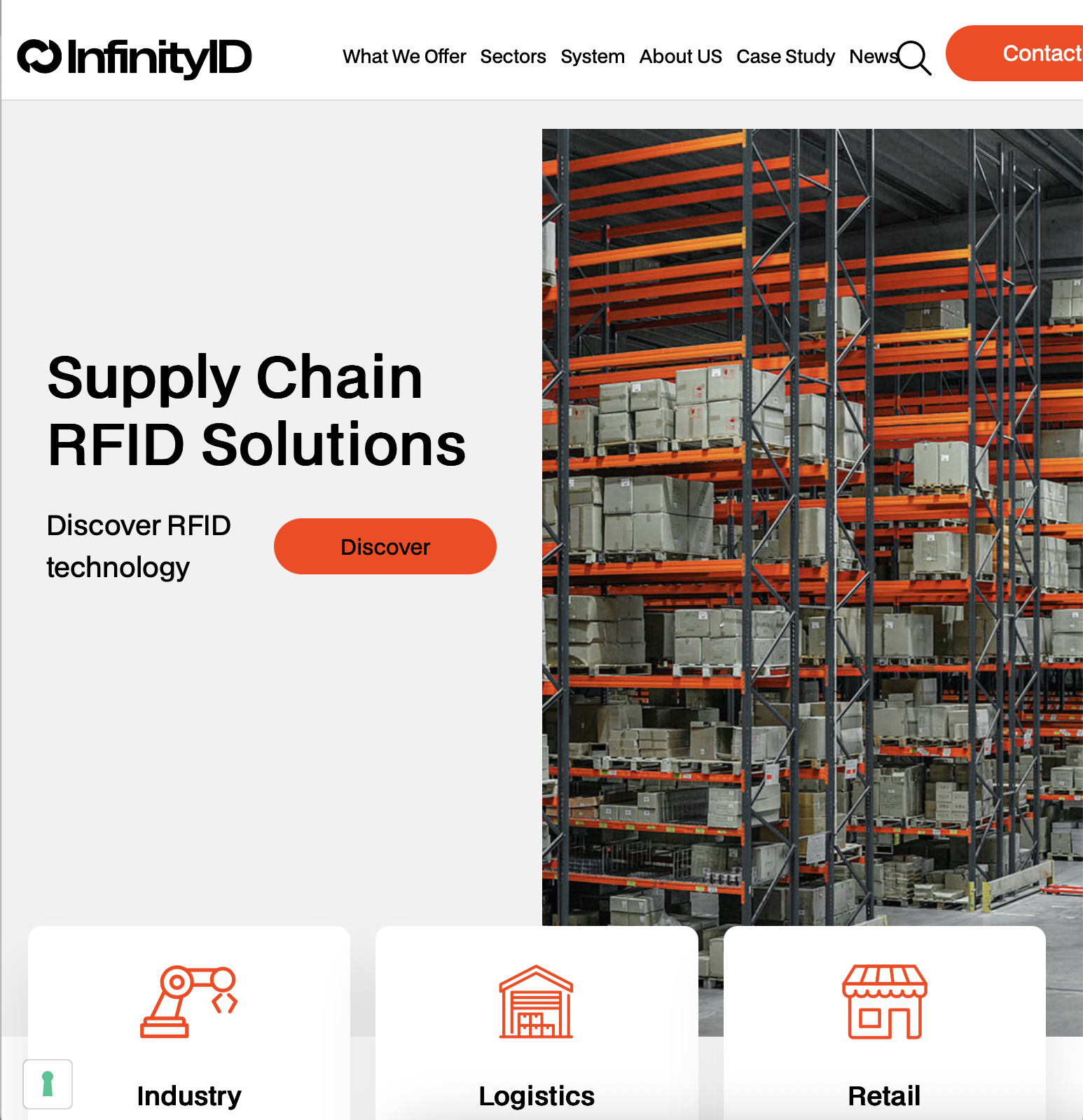
InfinityID makes RFID solutions for the Industry 4.0 crowd. Plug-and-play, modular smart kit that tracks what's where. In real time, across factory floors, warehouses and retail shelves. Their customers run lines from Latin America to Europe to Singapore. The software those customers use is the one we develop every day.
We are the core dev team. Architecture, stack, every commit. The platform is multi-tenant by default. We ship it in two flavours - cloud and on-prem. Some clients want zero ops. Others want zero internet.
Every customer gets the modules their site actually needs. Logistics, retail, manufacturing - on Android, on the web. All configured from a console by InfinityID's team. Our integration layer supports any major RFID reader brand. Pick the hardware that fits the building, the budget, or the use case. The software just works.
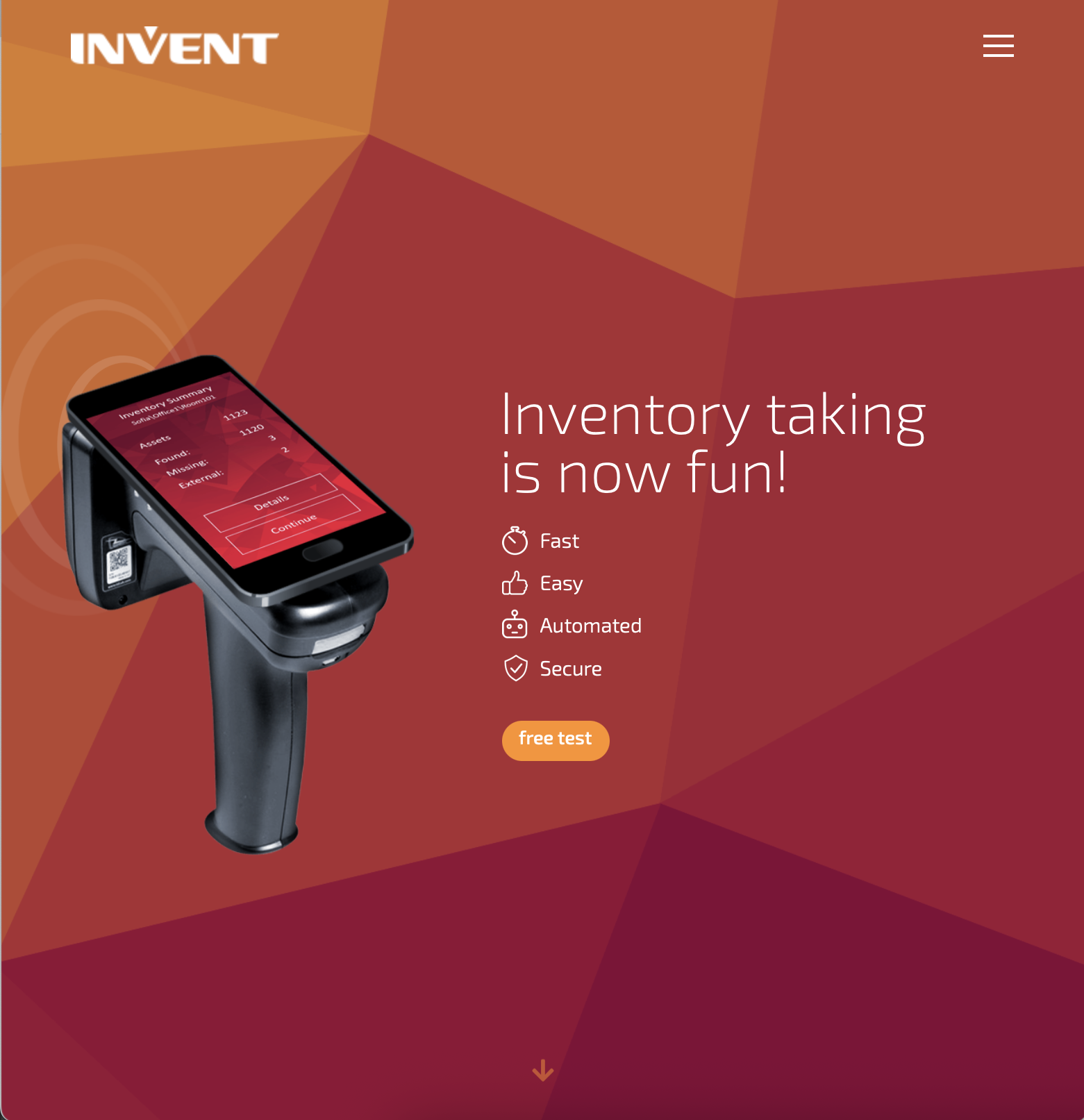
Inventory. Before lunch.
INVENT is a stand-alone, contactless inventory product. RFID tags on the assets. A handheld reader in your hand. An Android app counting fifty items in one sweep. No line of sight, no scanning one at a time, no afternoon lost to a clipboard.
Software's ours, end to end. Android in the field. Web for the asset register and reports. File-and-API bridges into whichever ERP the administration team is already using. The count that ended before lunch doesn't take the rest of the week to enter.
Multi-tenant by default. Cloud or on-prem, depending on where the data should be. Works nicely with the handheld and fixed readers. The kind of software you stop noticing - which, for inventory software, is the whole job.
Work from the years before. Some still in production, some switched off. All of them ours.
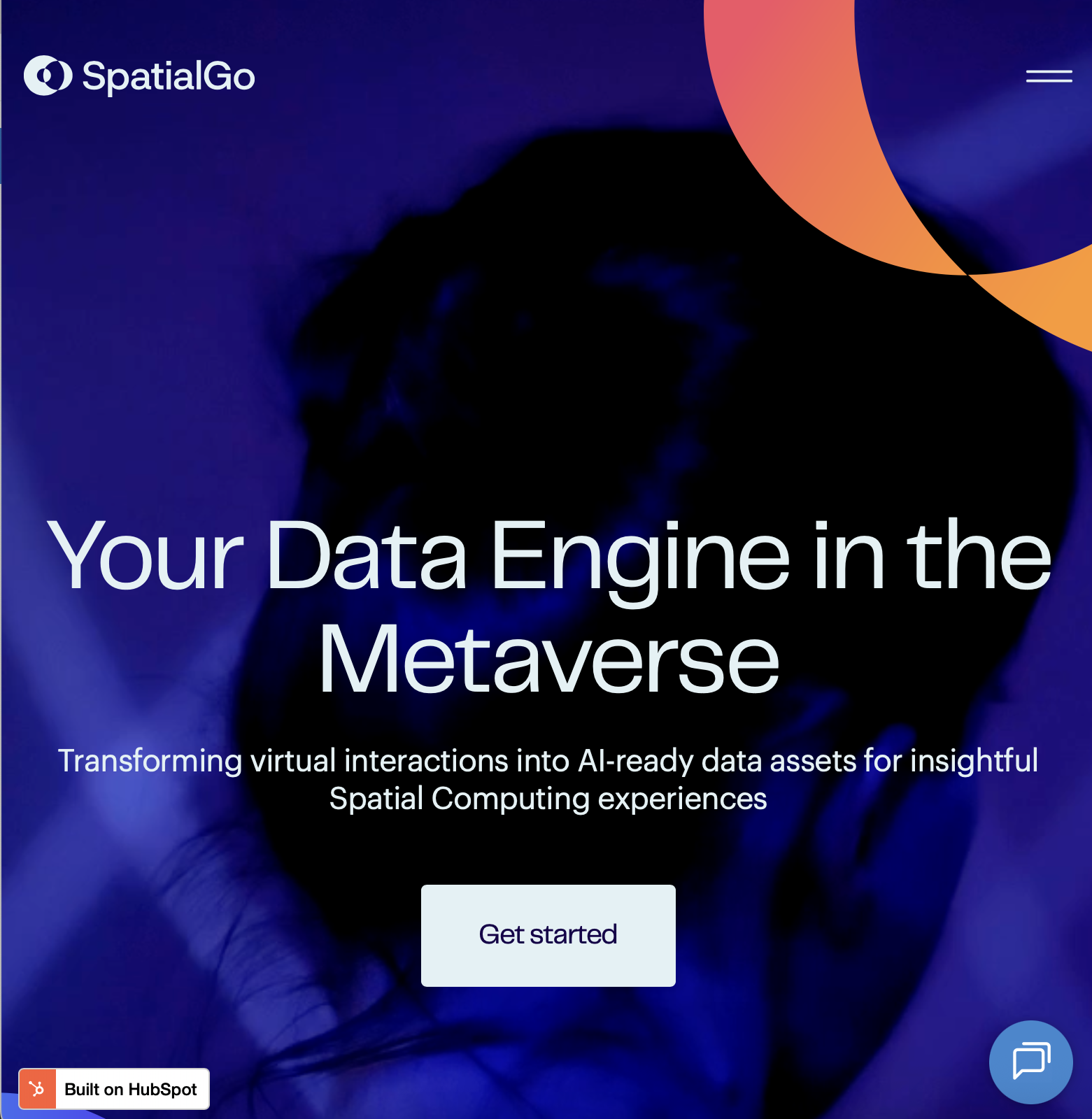
Events in the metaverse, before the metaverse had events.
SpatialGo had one ambitious idea: throw real events inside virtual worlds. We built the core system for spinning up immersive event environments - wired straight into Z Reality Sphere's metaverse software.
Then we built the other half - behaviour tracking inside the event, plus the analytics to tell organisers what actually happened in there. Where attendees lingered. What they ignored. The shape of attention, in three dimensions.
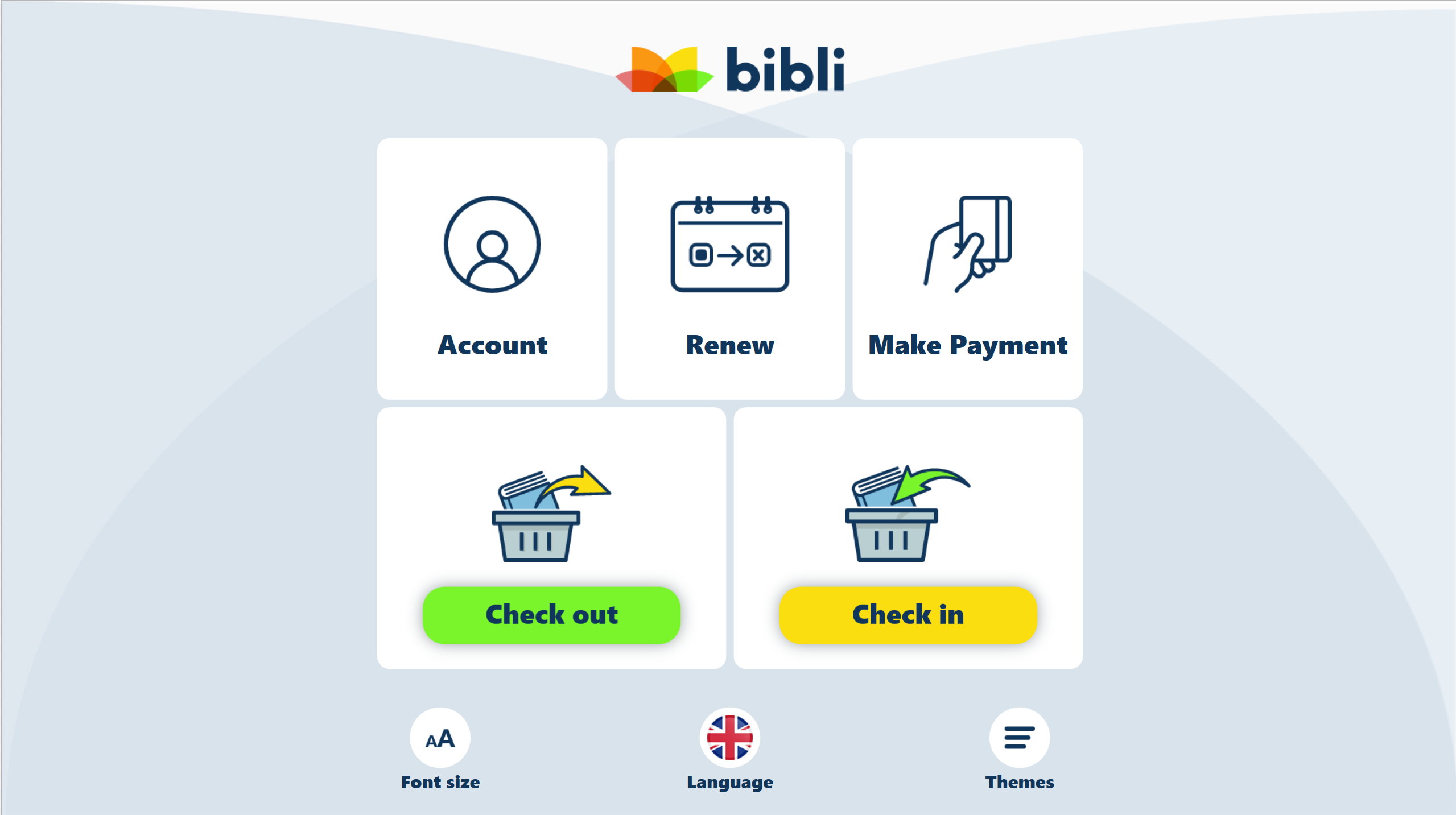
Libraries, upgraded from barcode to UHF.
Bibli wanted to drag library inventory out of the barcode era and into UHF RFID. The kind that reads a whole shelf in one sweep instead of one spine at a time.
We built the full stack around that bet. A self-service kiosk with hardware support baked in. A hybrid mobile app so patrons could track what they'd borrowed. A desktop app for librarians managing the shelves. A web platform behind it all, handling licensing and setup. And SIP2 wired straight into whichever Library Management System the back office already ran - because nothing in that back office had to change.
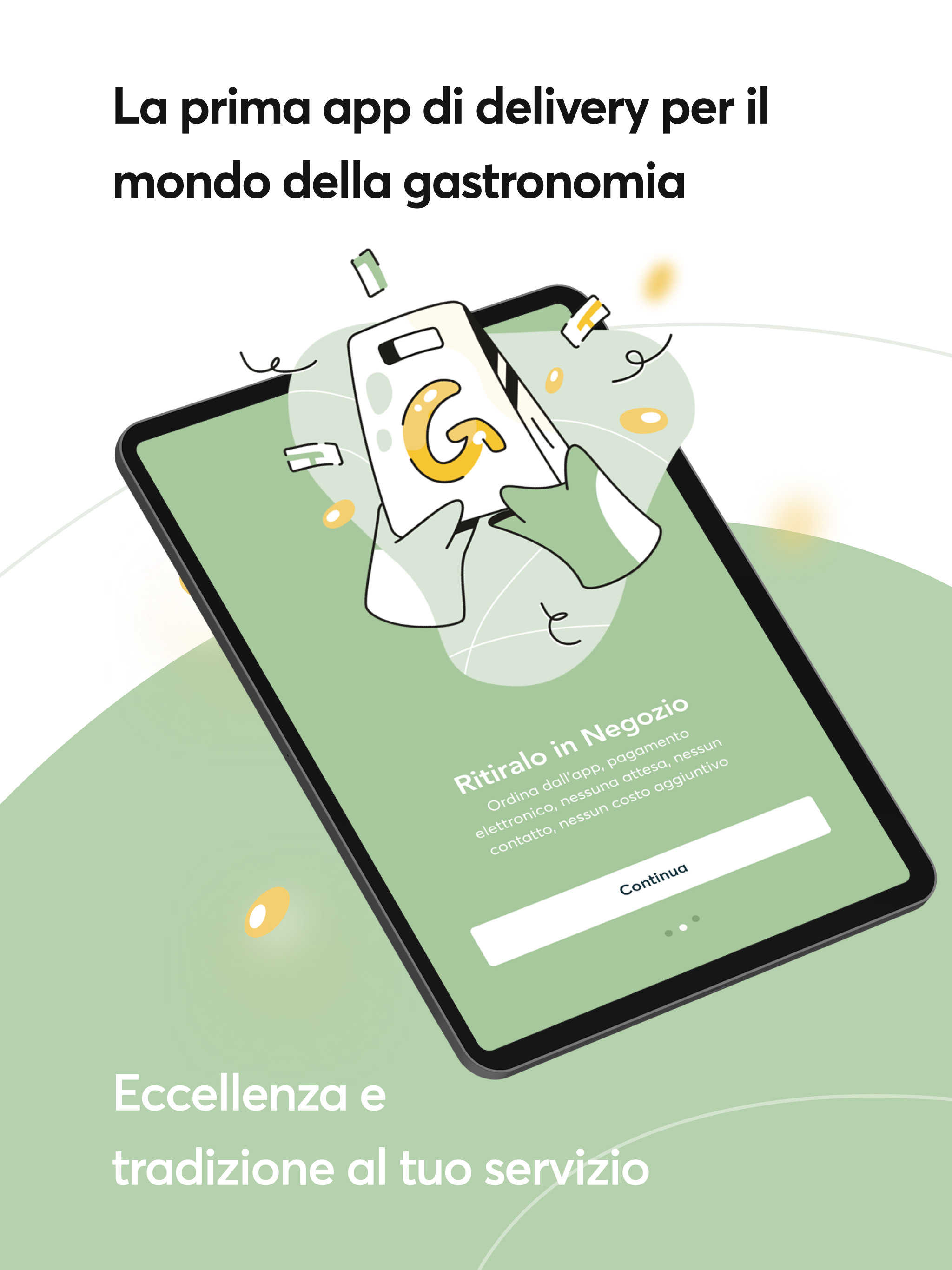
Italy's first delivery app for la gastronomia.
Gibo took on a corner of Italian hospitality nobody else was bothering with - gastronomias, the neighbourhood places that cook ready-to-eat meals from scratch every morning.
We built the delivery stack from zero. A hybrid mobile app for the diners. An Android app for the kitchen, paired with mobile receipt printers. A web admin running the whole thing in the background. The food got there on time.
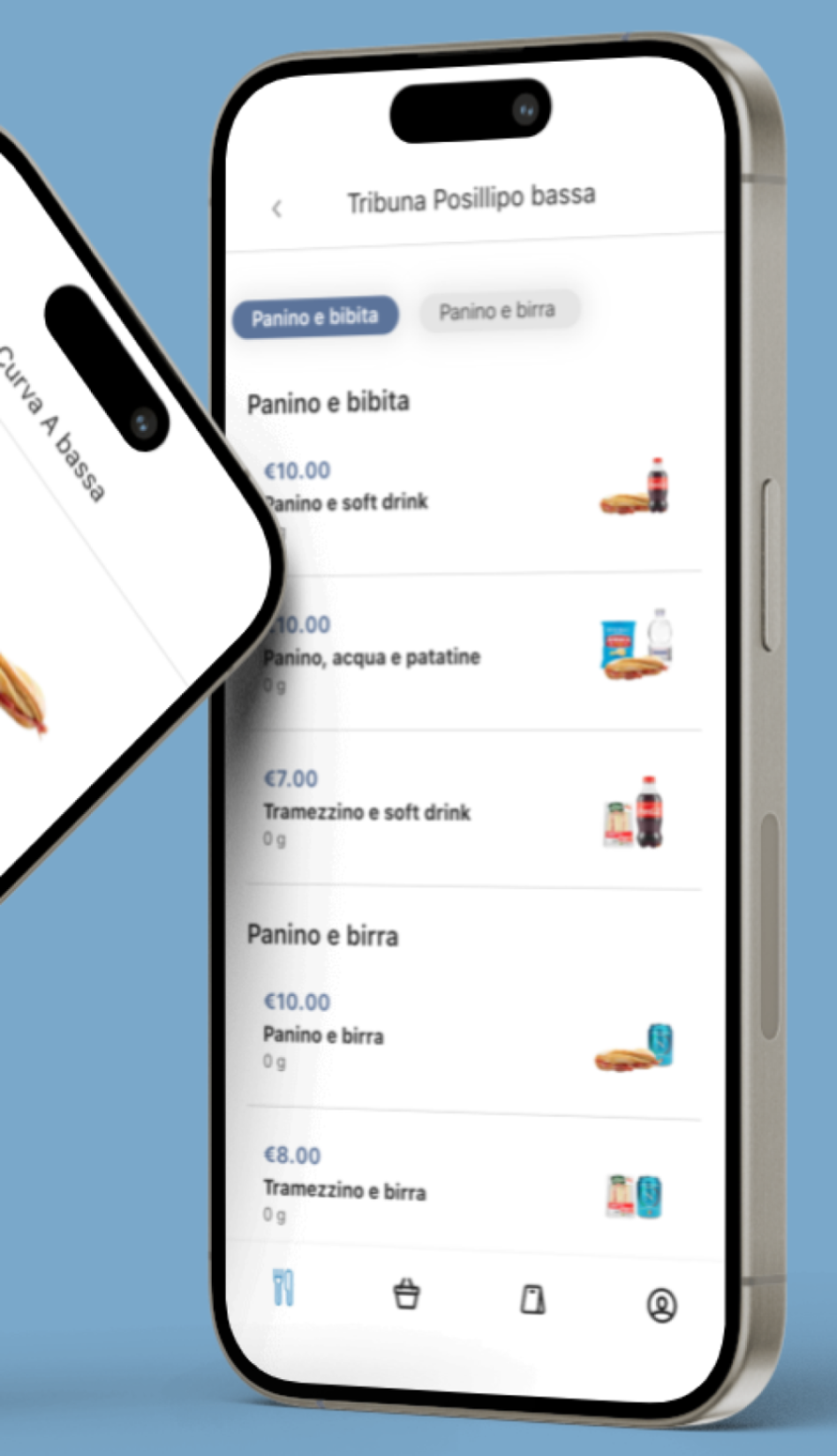
Stadium food. From your seat. While the cell network melts.
sEat was Gibo, pointed at football stadiums. Same delivery stack underneath. Re-engineered for forty thousand phones at half-time and the local cell tower in a temporary breakdown.
We rewrote the data layer to take a punch. Resilient sync and offline-capable order flow. Order from your seat, walk to pickup, eat before the game resumes.
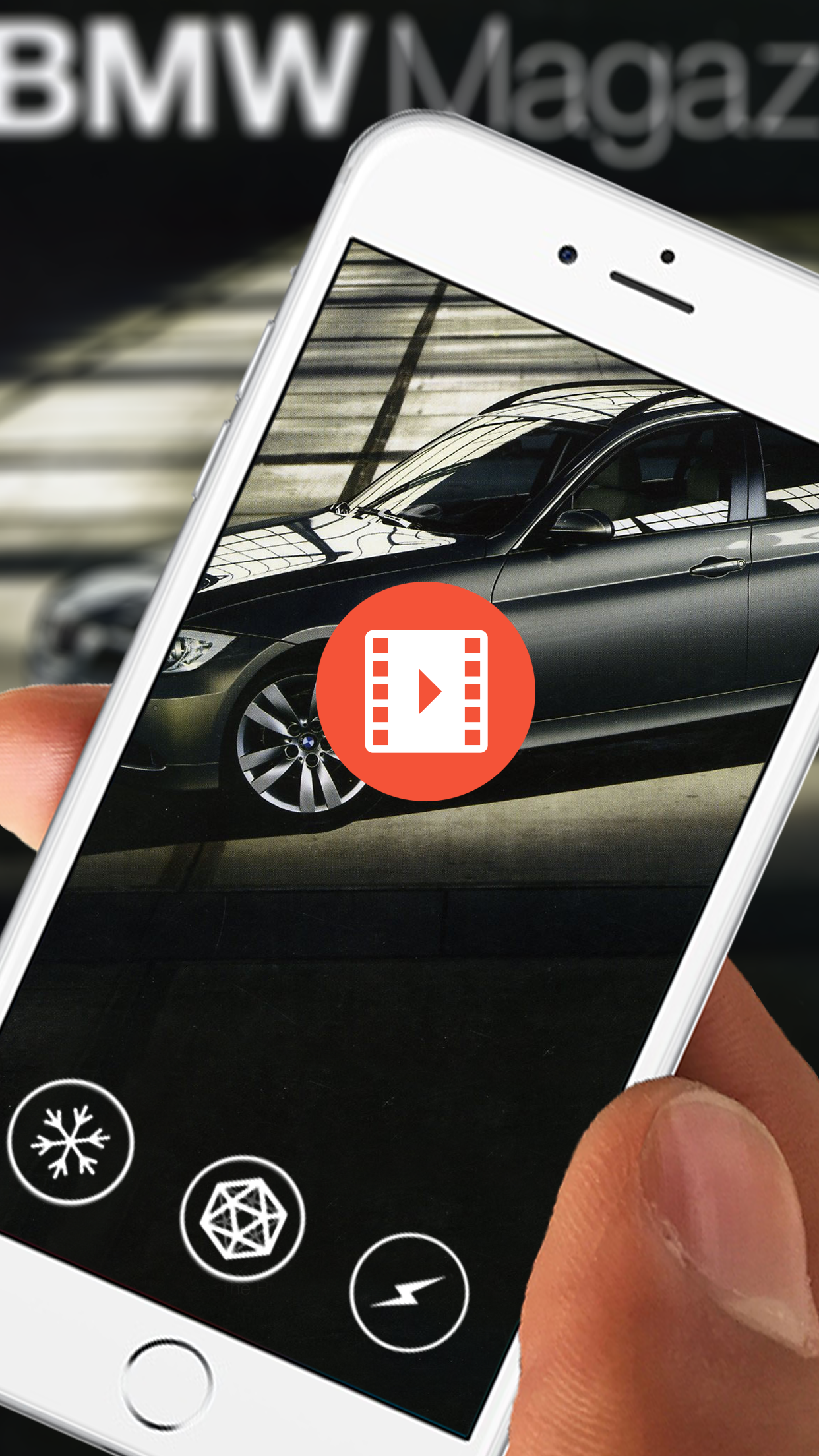
AR before the App Store had a section for it.
Reality+ was the first commit we ever shipped - and one of the first AR apps to come out of Bulgaria. The idea: scan a magazine page and enjoy content (images, video, 3D) directly over the page.
Native iOS. Native Android. Web admin where the people making the print campaigns wired up which physical page triggered which digital experience. For a first commit, we picked an interesting hill.
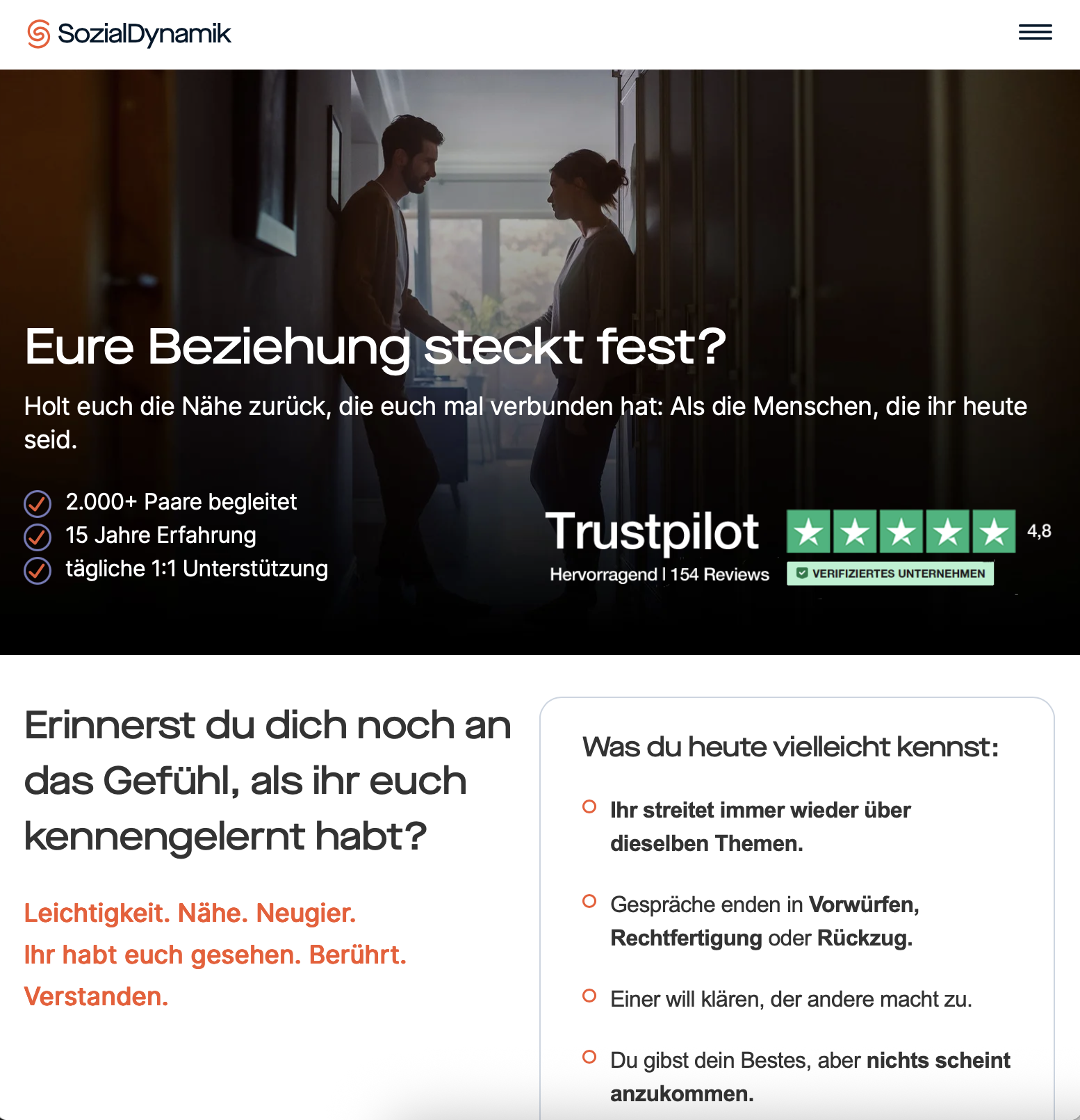
A relationship academy. Not a sales funnel.
Sozialdynamik is an online academy for the German-speaking world. The subject: relationships, and how to make them work - with partners, with family, with colleagues.
Built on HubSpot CMS. Fully custom theme on top. The marketing team gets every HubSpot tool. The site gets none of the HubSpot look.
The questions that come up before signing, during the build, and occasionally at 11pm on a Thursday. Same answers either way - plain English, no asterisks.
The pod is the thing you rent. One month of senior engineering, sized to match what two senior devs would ship in that month. We measure it in output, not in heads on a call or on hours spent.
You pay for it up front, flat. No hourly meter, no timesheets. Every week, we send you a recorded video demo - the actual work we shipped.
Flat price, one month, and a demo every week to show you what we have done.
€10,000 per month, per pod. Paid at the start, ex. VAT. Same number every month for as long as the pod is yours - no setup fee, no SOW, no overage clause buried in the small print.
Bank transfer. Invoice on signing, you pay it, the pod starts. Same the next month, and the one after. No deferred payments. Money in, work out.
There isn't one. Cancel on day three, the month refunds. Cancel on day twenty-nine, the month refunds. If we haven't earned the next month, we don't keep this one. Reputation lasts longer than an invoice.
Two documents: a mutual NDA and a contract. Both in English. The NDA can be yours or ours, as long as it's mutual and aligns with our model - the protection runs both ways.
The contract spells out everything - payment, refunds, scope, work, IP - in plain language.
Our contract and mutual NDA cover every engagement. If your jurisdiction or procurement chain needs extra paperwork - a DPA, a security questionnaire, an addendum from your security team - we'll cooperate, as long as it doesn't ask us to reshape the pod. We'll sign what your legal team needs. We won't rewrite how we work.
A pod is a unit of output, not a head-count. Senior engineers, heavy AI tooling, every day - sized to ship the work of two seniors running flat-out. We don't promise the number of people on the keyboard. We promise the velocity.
Not your problem. Continuity is our job. Every artifact - code, tests, docs, infra, the prompt library - is in your repo from day one. A new senior steps in and reads what's already there. The pod's velocity holds. We staffed it. We re-staff it.
Async, week to week. You send tasks in Slack, Loom, voice notes, whatever's quickest. We read them, ask questions if anything's ambiguous, and start work. Every seven days we send you a recorded walkthrough of what shipped that week.
If a task doesn't fit in the current month, it rolls into the next. If a task is bigger than one pod, we split it - across months, or across pods if you've reserved more than one. The queue is yours to reshape, ours to keep moving.
No standups, no status check-ins. The walkthrough is the status.
The engineers. There's no project manager, no account manager, no game of telephone. You message the people writing the code, and they reply directly. Decisions, questions, edge cases - same humans, same Slack.
When something goes sideways - and on any real engagement, eventually something will - we catch it early. A light AI pulse runs on our channels and flags the first signs of friction before they fester. If it doesn't sort itself out in writing, we book a call. The only meeting we'll put on your calendar is the one that actually moves something.
Sofia is GMT+2 in winter, GMT+3 in summer. Europe overlaps fully. The rest of the world overlaps partially - our morning or evening, depending on where you are.
The work runs async by design. Slack threads, Loom walkthroughs, voice notes when text won't do. The cadence is built for time zones, not against them. Calls happen when they'd actually move something forward, which is rarely. Longitude isn't the problem you think it is.
Either, and we don't have a preference. What changes between a blank repo and somebody else's codebase is the first week, not the answer.
Picking up an existing project, the first week is reading, not writing. The architecture, the commits, the parts of the system the team flinches at - usually a strong signal of where to start. Commits start the following week, on solid ground.
Greenfield is a luxury, not a prerequisite.
No. The pod doesn't slot in alongside an in-house team.
Engineering cultures don't blend. An async one and a calendar-driven one in the same repo means one drags the other down. We can't sign for code we didn't write or review. And two unrelated teams committing into the same codebase produce merge conflicts, duplicated work, and a steady drip of "why did you build that, we already had it" - problems with no clean fix and, mostly, no fix at all.
Pick a team. Either is better than both.
No. They're how we ship - the contract has a non-solicit for exactly that reason. With the pod you already get a senior engineer, long-term, without the recruiter or the hiring loop. Take the pod. That's what the model is for.
You do, from the first commit. The repo is yours, the IP in it is yours, no clause to negotiate. Code, tests, docs, infra, the prompt library we build on top - everything we produce gets committed where you can see it.
If you ever leave, you leave with a working system and the history that explains every line of it.
No. Every model and tool we use is on an enterprise tier that contractually excludes training on customer data. Repo access stays scoped to the engineers on your pod. Secrets stay in your vault. NDAs are signed before the first invite to the repo goes out.
The model writes. The senior engineer edits, reviews, refactors, and signs the commit. Same way we shipped good code in 2019, just faster.
The cliff we wrote about above? We don't drive off it.
Thirty minutes with a founder. No sales team, no pitch deck, no follow-up sequence. If the pod fits, you sign - and meet the engineers the same week.
Book a call